GTO, or Game Theory Optimal, is a poker strategy derived from Nash equilibrium — a concept from mathematics where no player can improve their expected value by unilaterally changing their strategy. In practical terms, a GTO strategy is one that cannot be exploited. No matter what your opponent does, your long-run expectation remains positive or neutral.
This is a fundamentally different approach from traditional "exploitative" poker, where you try to read your opponents and adjust. GTO does not require reads. It gives you the theoretically correct action for every situation based purely on hand combinations, board textures, pot sizes, and stack depths. The result is a balanced strategy that mixes value bets and bluffs at the right frequencies, defends at the right rate, and never gives your opponents a profitable counter-strategy.
Professional poker has shifted dramatically toward GTO in the last decade. High-stakes players, WSOP bracelet winners, and online crushers all study solver outputs to build their foundational strategies. The edge does not come from memorizing every solution — it comes from understanding the principles behind why solvers choose certain actions, and applying those principles in real time.
Why Every Poker Player Needs GTO Training
Whether you play $1/$2 live cash games or $10,000 buy-in tournaments, GTO training transforms your decision-making. Here is why:
- Eliminate costly leaks. Most players have systematic errors in their preflop ranges, bet sizing, or bluff frequencies. GTO training reveals exactly where you deviate from optimal play and how much those deviations cost you.
- Build an unexploitable baseline. Once you understand GTO, you have a default strategy that works against any opponent. You can then make targeted exploitative adjustments when you have strong reads, but always have a solid foundation to fall back on.
- Develop better intuition. Studying solver outputs trains your pattern recognition. Over time, you start instinctively recognizing which boards favor the raiser versus the caller, which hands should check versus bet, and when to use large versus small sizing.
- Stay ahead of the competition. The poker ecosystem is getting tougher every year. Players who study GTO have a structural edge over those who rely purely on feel and experience.
Core GTO Concepts Every Player Should Know
Balanced Ranges
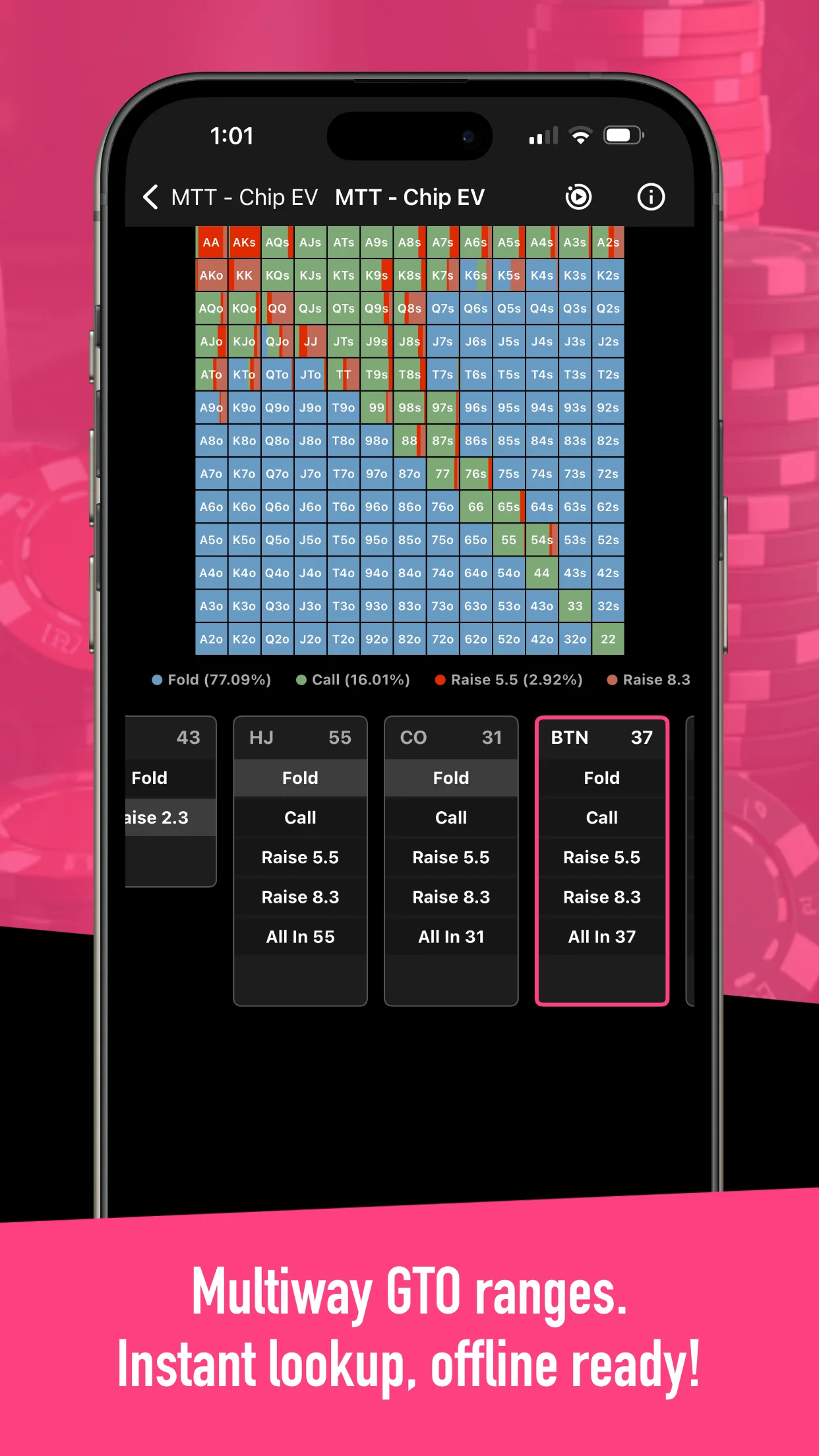
At the heart of GTO is the concept of range balance. Every action you take — opening, 3-betting, calling, check-raising — should contain a mix of strong hands and bluffs at specific frequencies. If you only bet with strong hands, observant opponents will fold every time. If you only bluff, they will call you down. GTO balances these frequencies so opponents cannot profitably adjust. Tools like GTO Ranges+ let you study these balanced ranges across all positions and stack depths, including complex multiway scenarios that most players get wrong.
Mixed Strategies
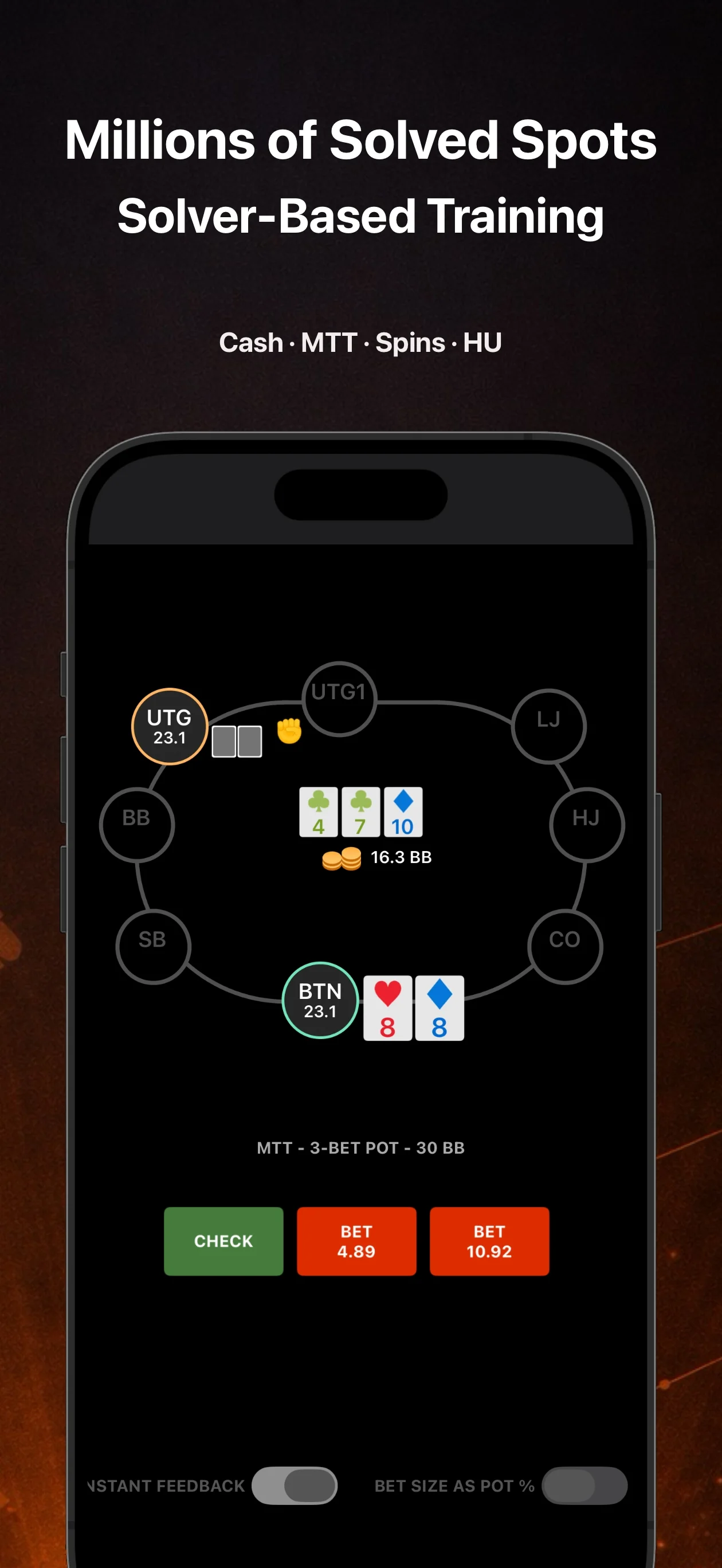
In many spots, the GTO solution is not a pure action (always bet or always check) but a mixed strategy — betting some percentage of the time and checking the rest, even with the exact same hand. This randomization prevents opponents from reading your patterns. While perfectly randomizing at the table is impossible, understanding which spots require mixing helps you vary your play naturally. Postflop+ trains you on these mixed-frequency spots by letting you practice against a GTO bot that plays the mathematically correct strategy.
Minimum Defense Frequency
Minimum defense frequency (MDF) answers a critical question: how often must you continue facing a bet to prevent your opponent from profitably bluffing with any two cards? The formula is straightforward — MDF = Pot Size / (Pot Size + Bet Size) — and our free MDF calculator computes it instantly. Understanding MDF prevents you from over-folding (a common leak) and ensures you are defending enough to keep opponents honest.
Pot Odds and Equity
Every decision in poker ultimately comes down to comparing your pot odds against your equity. Pot odds tell you the price the pot is offering; equity tells you how often you expect to win. When your equity exceeds the price, calling is profitable. When it does not, folding is correct. Our free pot odds calculator and outs and equity calculator help you practice these calculations until they become second nature.
ICM in Tournaments
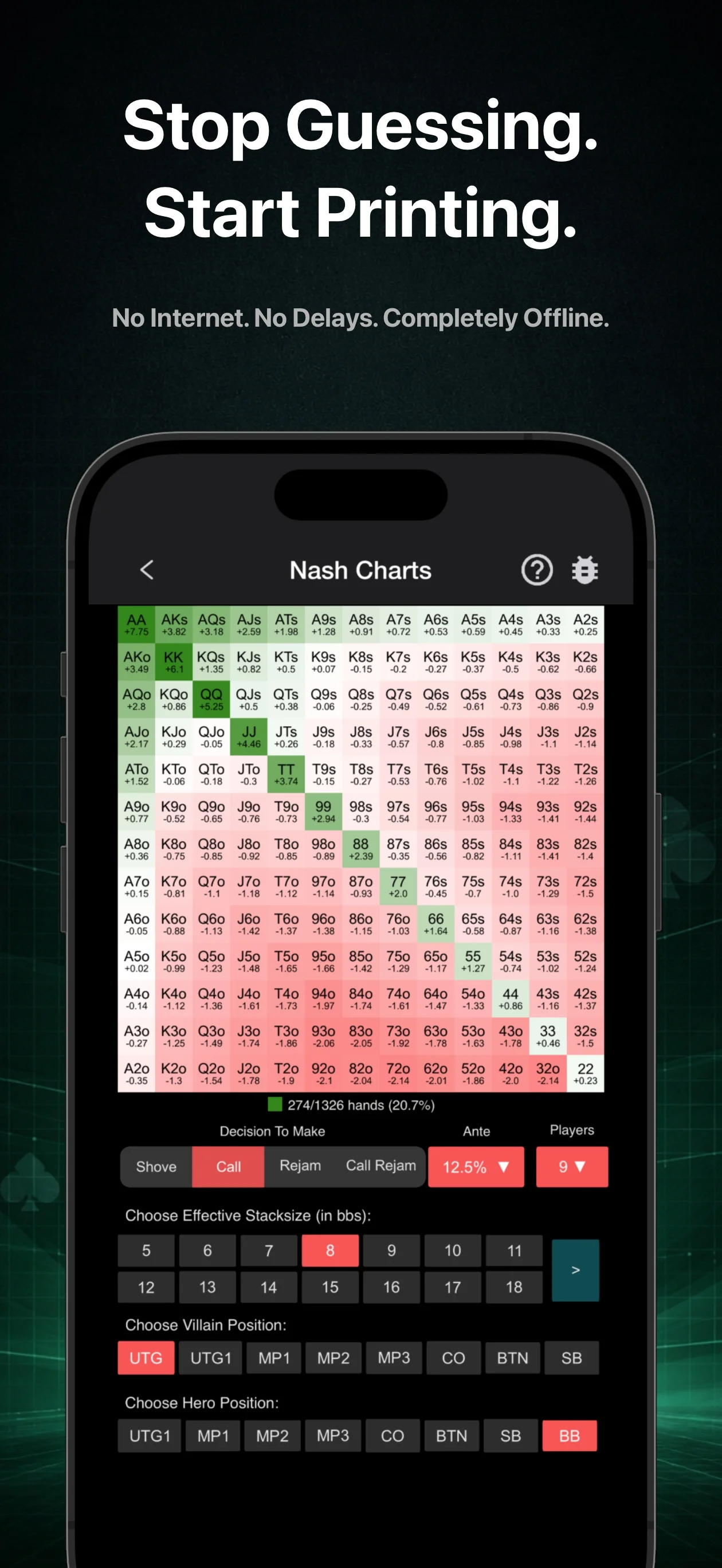
In tournament poker, chips are not worth their face value — the Independent Chip Model (ICM) translates chip stacks into real-money equity based on the prize pool structure. ICM fundamentally changes optimal strategy, especially near the bubble and at final tables. A hand that is a clear call in a cash game might be a fold in a tournament because busting costs more equity than the pot is worth. GTO Ranges+ includes ICM-adjusted ranges so you can study tournament-specific strategy, and our ICM deal calculator helps you negotiate fair chop deals.
From Theory to Table: Practical GTO Training
The gap between understanding GTO theory and applying it at the poker table is where most players struggle. Reading about balanced ranges is one thing; making the right decisions under pressure with real money at stake is another. This is exactly the problem ThinkGTO was built to solve.
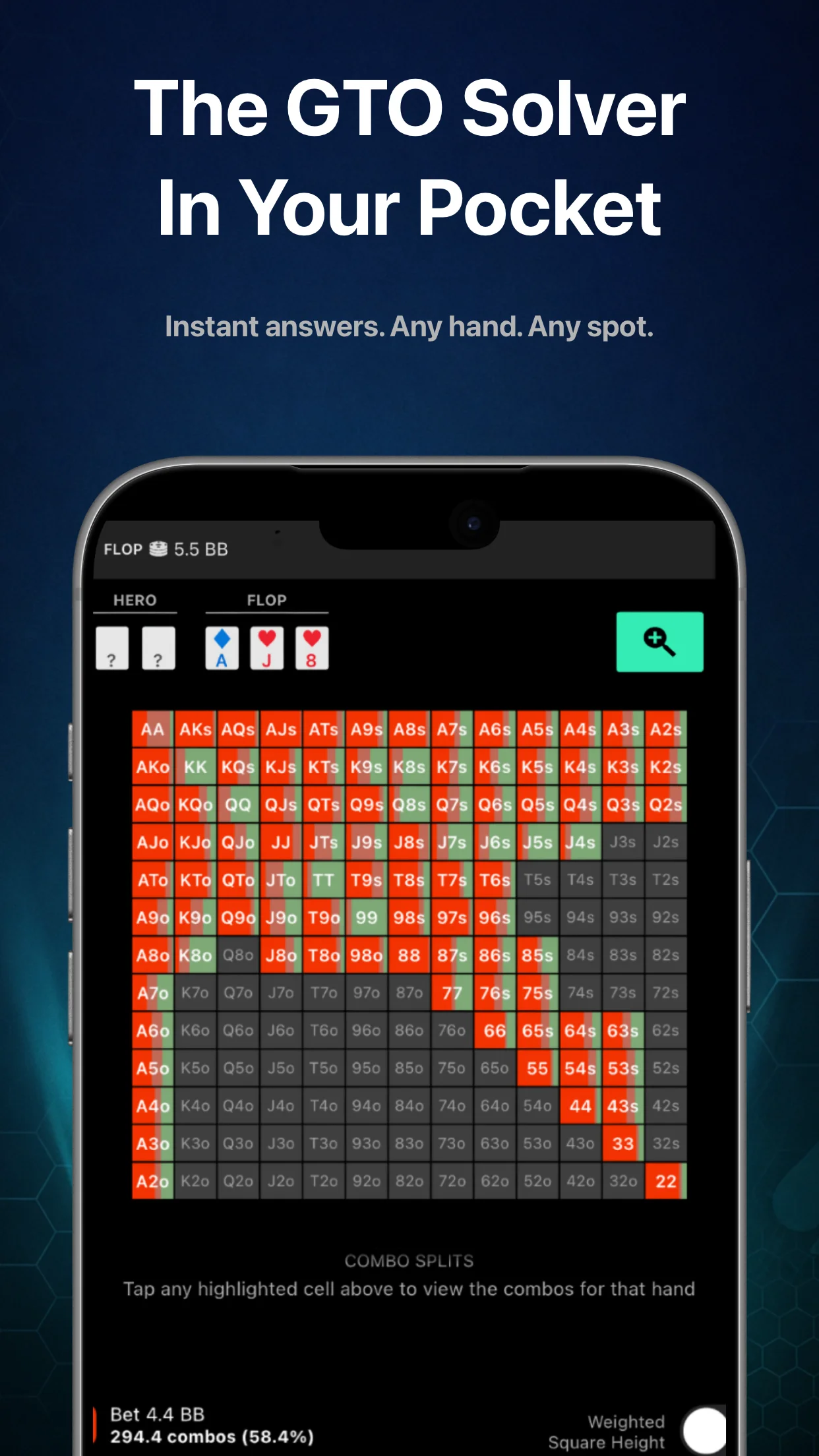
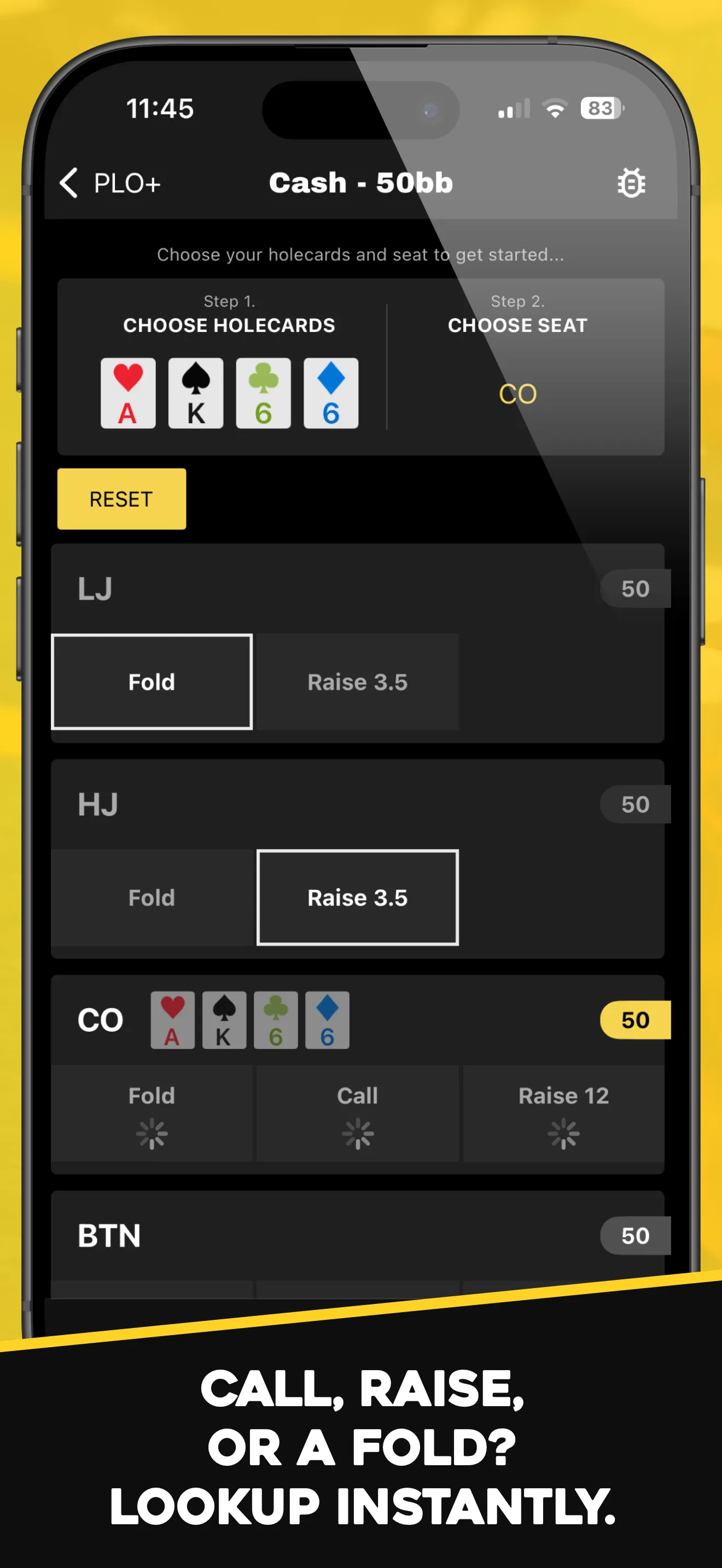
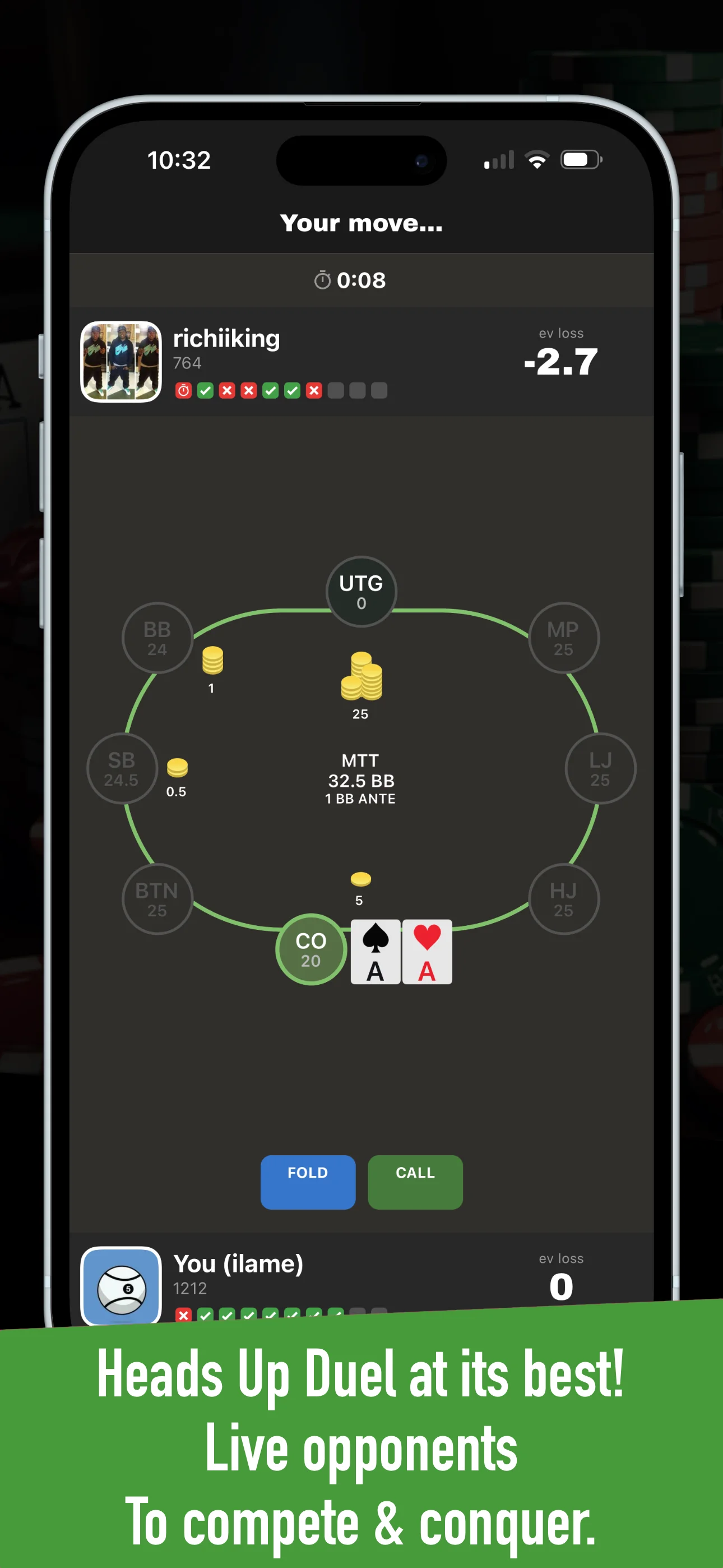
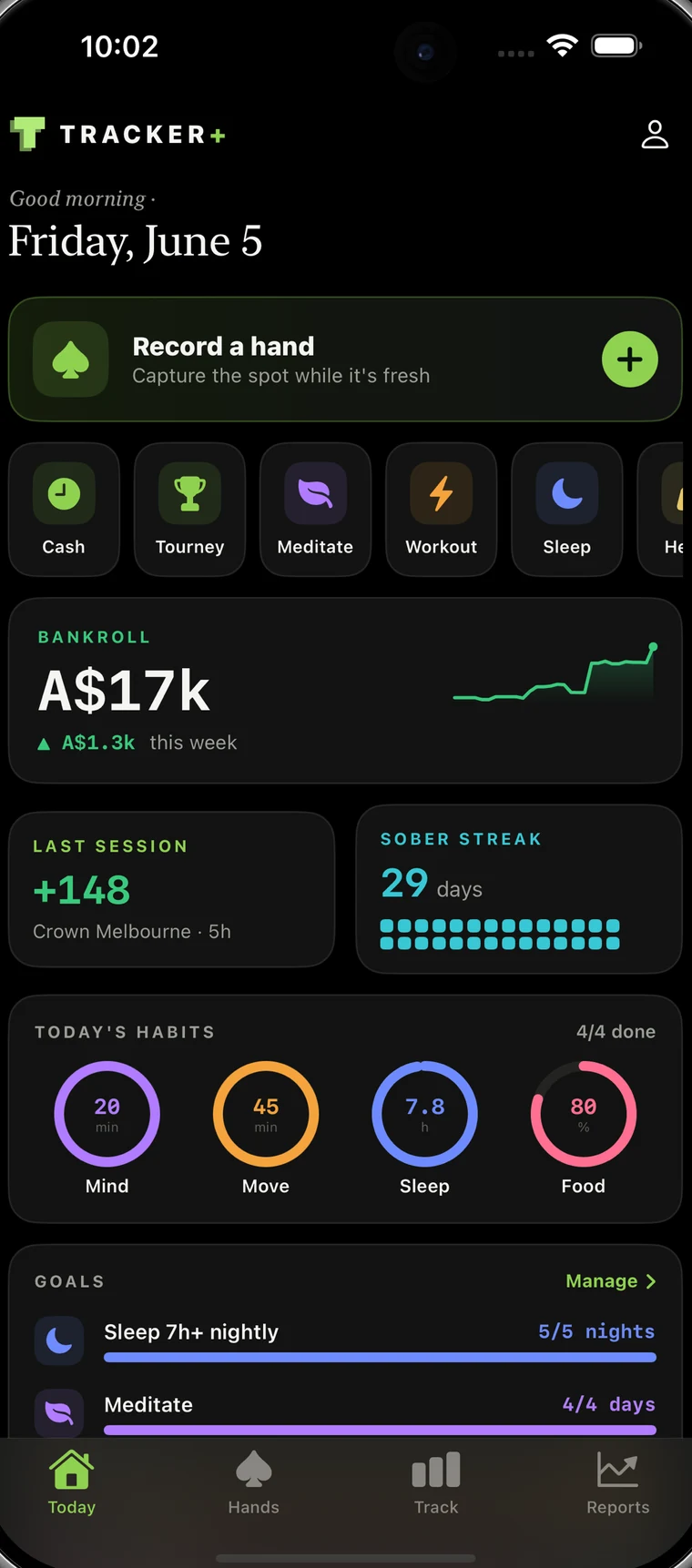
Each of the seven ThinkGTO apps focuses on a specific area of your game. Preflop+ gives you solver-perfect preflop opening charts and push/fold ranges for every stack depth. Postflop+ lets you train against a GTO bot that plays optimal strategy, so you build real-time decision-making skills. Solver+ provides pre-solved board analysis so you can study any flop texture in seconds. GTO Ranges+ handles the complex world of multiway pots and ICM. PLO+ brings solver-backed ranges to Pot-Limit Omaha. Battle+ turns GTO study into a competitive game where you solve puzzles against other players. And Tracker+ records your hands and the habits around them, then ranks what actually moves your win-rate.
All seven apps work offline, so you can study GTO strategy and track your results anywhere — on your commute, at the casino between sessions, or during a tournament break. With over 100 million pre-solved GTO scenarios, you always have the answer at your fingertips.
Start Your GTO Journey
Whether you are a complete beginner wondering what GTO means or an experienced player looking to plug leaks in your strategy, there is a clear path forward. Start with our GTO fundamentals guide to understand the core principles. Explore the poker glossary to build your vocabulary. Try our free poker calculators to practice the math. Then download a ThinkGTO app and start training against GTO-perfect solutions. The players who study the hardest gain the biggest edge — and ThinkGTO makes that study faster, more accessible, and more effective than ever before.